If you’ve searched “does peach fuzz grow back thicker after dermaplaning?” — you’re not alone. It’s a question we hear all the time in our Brisbane studio, especially from first-time clients who are curious but cautious about this cosmetic procedure. Let’s set the record straight with real talk, grounded advice, and a little salon truth serum.
Spoiler: your face won’t turn into a bearded peach. But there are a few things worth knowing before you reach for the dermaplaning blade or book that appointment. If you’re new to dermaplaning Brisbane treatments, we’ll walk you through what to expect and how to prep.
Contents
- 1 What happens during dermaplaning?
- 2 Why hair feels different after dermaplaning
- 3 The real benefits of removing peach fuzz
- 4 Dermaplaning vs other exfoliation methods
- 5 When is dermaplaning not the best option?
- 6 Hair regrowth timeline looks like
- 7 Myths we hear way too often
- 8 What to expect and how to treat your skin
- 9 Real results from our Brisbane studio
- 10 Why trained hands matter more than trending tools
- 11 2025’s skincare trends
- 12 Final thoughts
- 13 FAQ
What happens during dermaplaning?
It might feel like magic, but it’s just good technique.
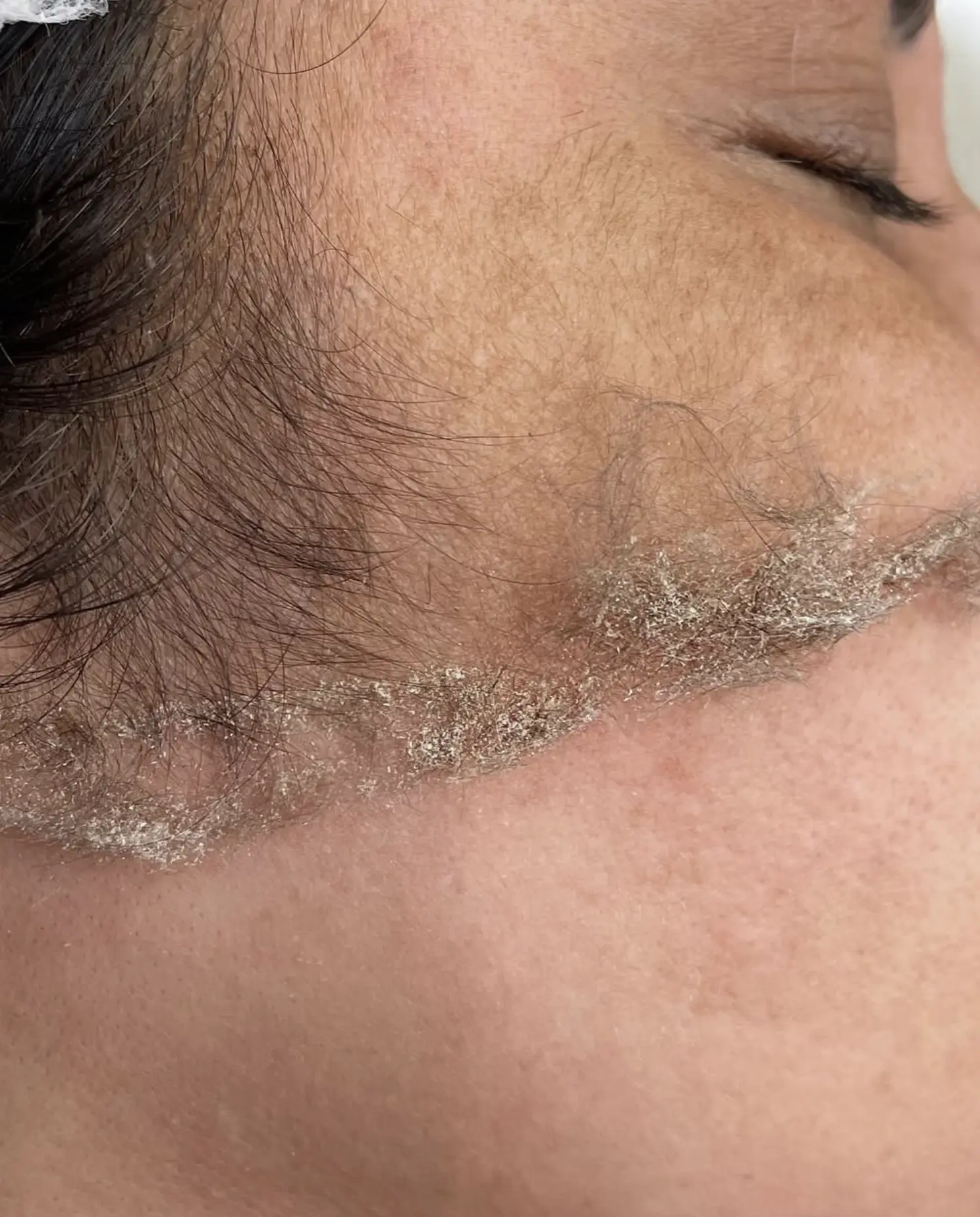
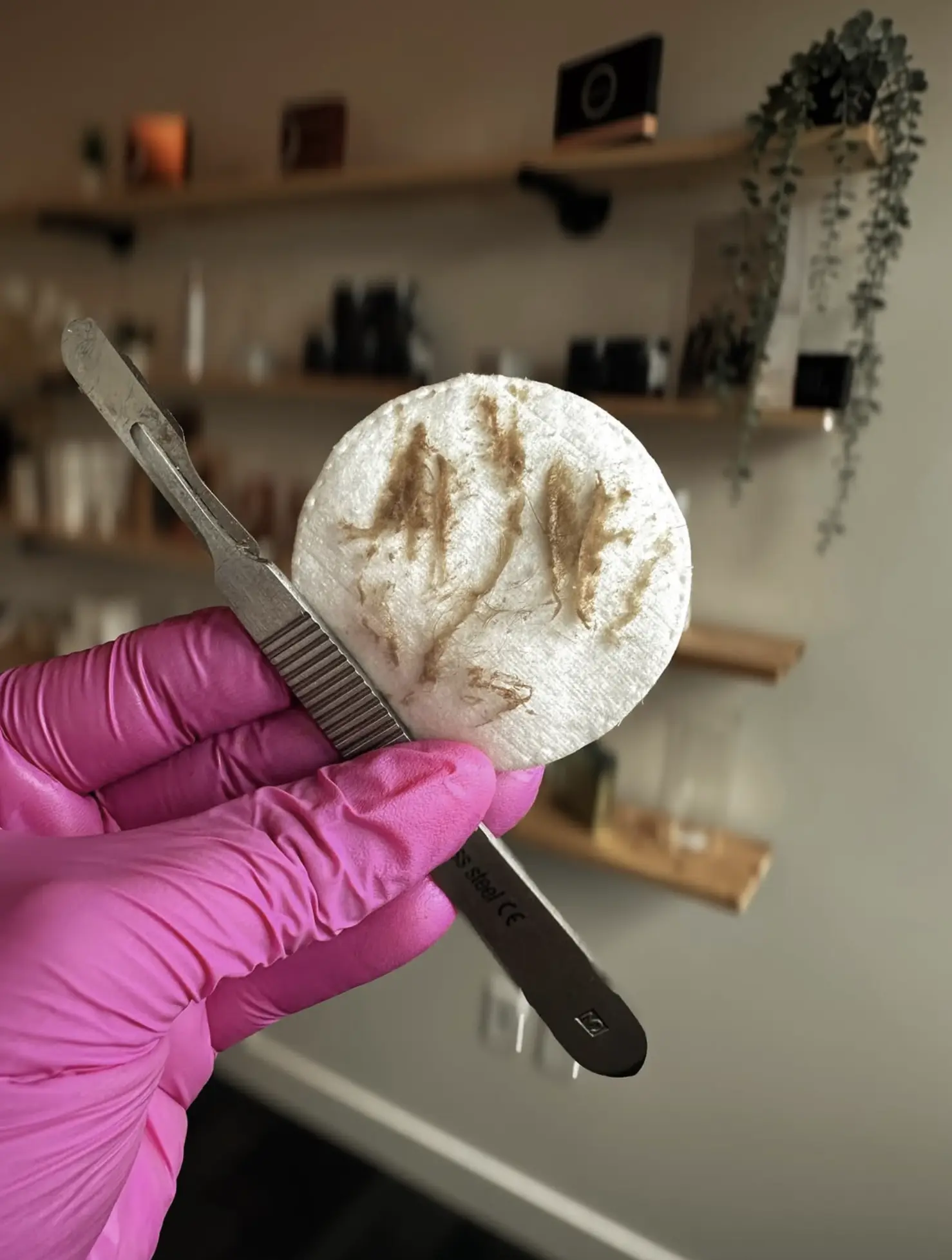
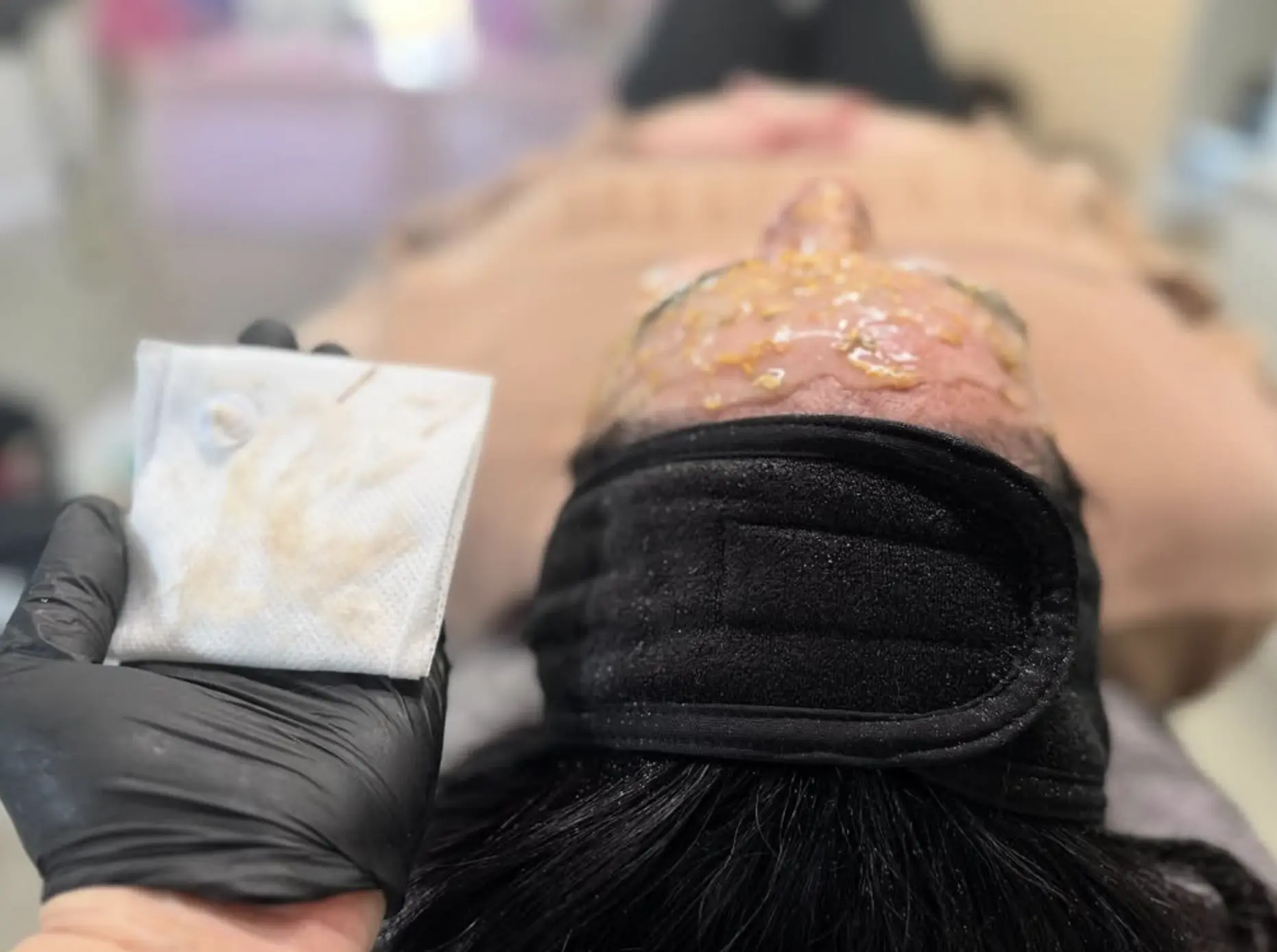
Dermaplaning works by using a surgical scalpel, exfoliating blade or scalpel-like tool to gently remove dead skin cells and the fine vellus hair we lovingly call peach fuzz. This allows for smoother skin texture, better skincare product absorption, and a fresh, radiant complexion without harsh exfoliation.
Here’s the thing: dermaplaning doesn’t alter your hair follicles or convert vellus hair into terminal hair. So while it might feel like the fuzz is growing back differently, it’s all about perception, not biology. If you’re considering learning the skill professionally, proper dermaplaning training can help you master safe and effective technique.
Why hair feels different after dermaplaning
Ever noticed how stubble feels blunt? That’s why.
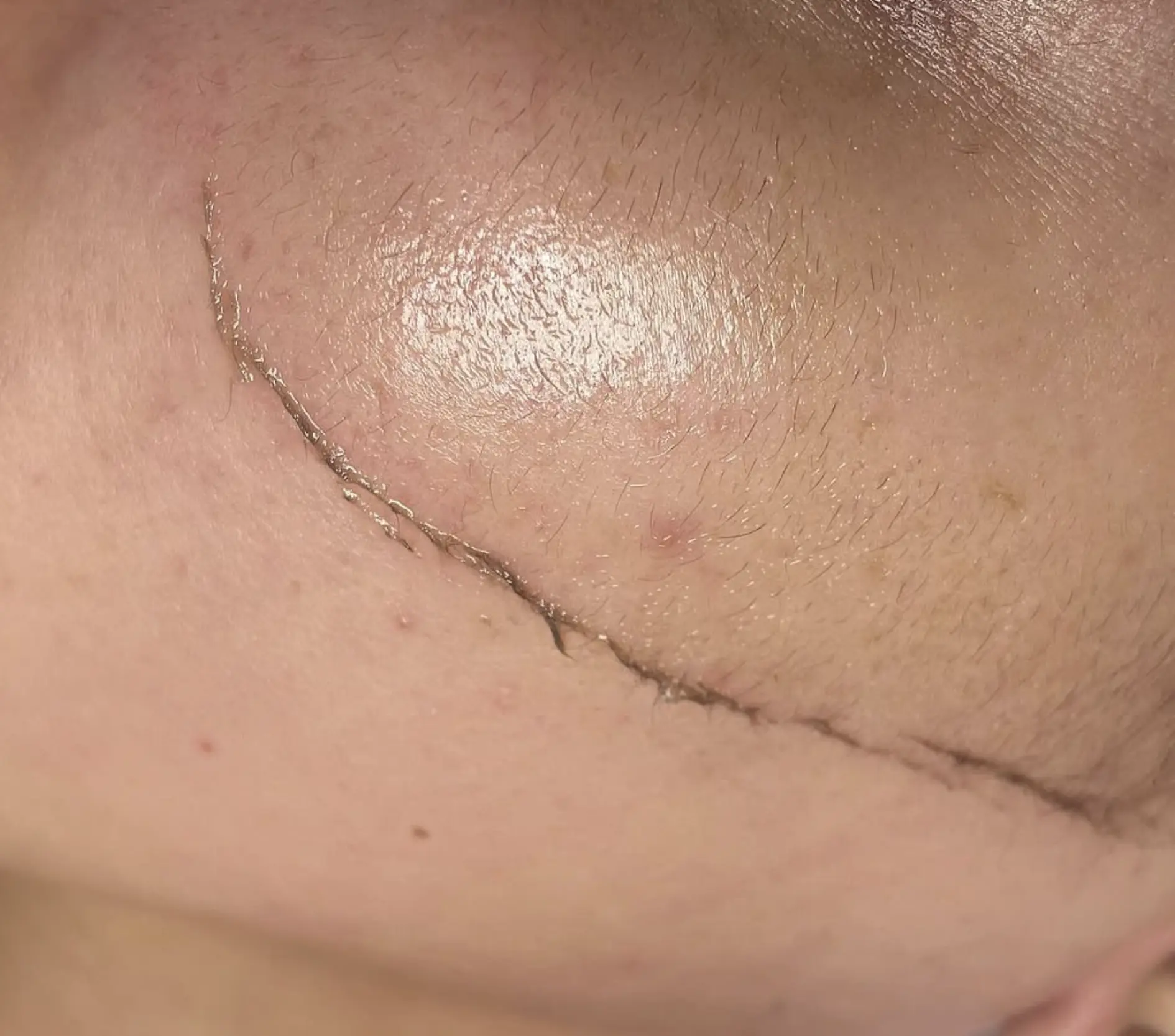
When fine facial hair is cut at a straight edge using a dermaplaning tool or derma blade, it can feel coarser or look darker when it grows back. But it’s the same vellus hair — just with a blunt tip instead of a tapered one. Within a few weeks, it softens again naturally.
And no, dermaplaning won’t turn your peach fuzz into coarse terminal hair (the thicker stuff on your head, brows, and lashes). Hormonal changes and genetic or hormonal factors like polycystic ovary syndrome can influence hair growth, but dermaplaning won’t.
We’ve dermaplaned hundreds of faces at our studio — from dry, flaky skin to oily and acne-prone — and not once has it changed someone’s hair type. Many of our clients have even gone on to enrol in a dermaplaning course after seeing the results first-hand.
The real benefits of removing peach fuzz
At Face Figurati Cosmetic Tattoo Studio in Brisbane, we offer dermaplaning as part of our personalised skin treatments tailored to your unique skin type and goals.
You’re not just shaving your face — you’re giving your skin a fresh start.
Benefits of this cosmetic treatment include:
- Instantly smoother skin texture
- Brighter complexion from removing dead skin cells
- Better product penetration (hello, hyaluronic acid!)
- Flawless makeup finish — no more clinging to fine facial hair
- Softer appearance of fine lines, acne scars, and pigmentation
- Enhanced collagen production over time from regular exfoliation
And yes, it’s completely safe when done by trained professionals using a sterile dermaplaning blade or sonic dermaplaning device under correct hygiene protocols. As dermaplaning grows in popularity, many beauty professionals in Brisbane are seeking out dermaplaning training to add it to their treatment menu.
Dermaplaning vs other exfoliation methods
| Treatment Type | Removes Dead Skin | Removes Peach Fuzz | Downtime | Best For |
|---|---|---|---|---|
| Dermaplaning | ✓ | ✓ | None | Most skin types |
| Chemical Peel | ✓ | ✗ | 1-7 days | Acne, pigmentation |
| Microdermabrasion | ✓ | ✗ | Minimal | Mild texture and dullness |
| Laser Resurfacing | ✓ | ✗ | Varies | Wrinkles, deep scarring |
Dermaplaning offers a no-downtime option that delivers results instantly — perfect before an event, or as part of your monthly skin routine. If you’re a skin therapist looking to expand your services, a high-quality dermaplaning course can give you the confidence to perform this treatment with precision.
When is dermaplaning not the best option?
As much as we love this facial hair removal technique, it’s not for everyone every time.
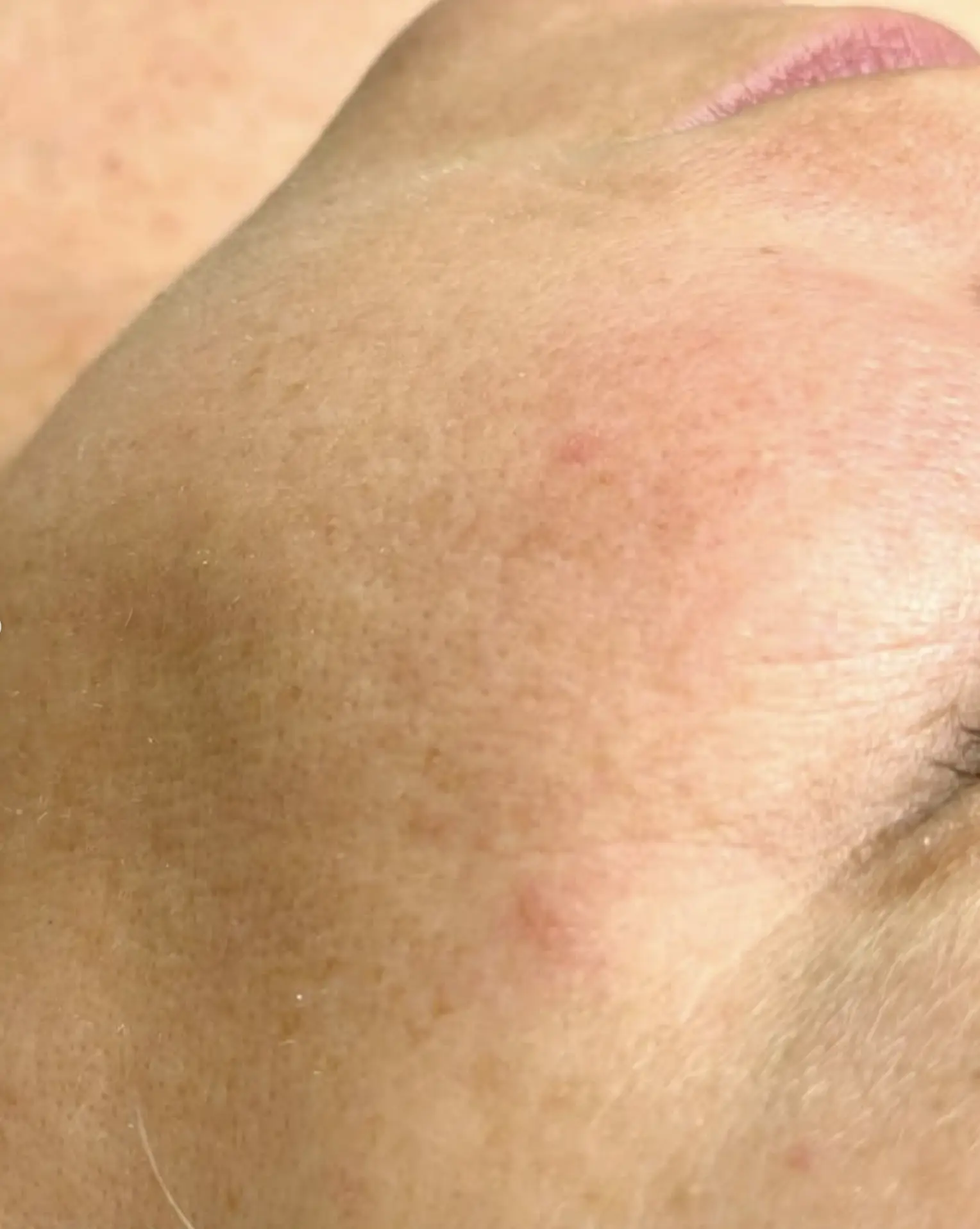
If you’ve got active acne, active breakouts, or certain skin conditions (like rosacea or eczema), we’ll usually suggest holding off. Scraping over inflamed or compromised skin can worsen skin irritation.
Also worth noting: while it’s great for most skin types, extremely sensitive skin or allergy-prone skin might not tolerate it well. That’s why a proper consultation and review of your medical history and skincare products is key.
In our Brisbane studio, we always ask about skin concerns, product usage, and hormonal conditions before picking up the dermaplaning blade. No assumptions. No rushed appointments.
Hair regrowth timeline looks like
Don’t freak out when the fuzz comes back — it’s all part of the process.
Here’s what to expect after dermaplaning:
- Week 1: Skin feels baby-smooth. Products glide on. Makeup looks airbrushed.
- Week 2: Slight regrowth begins, but you probably won’t notice it visually.
- Week 3: Some texture returns — facial hair is growing back but not thicker.
- Week 4+: You might start feeling fuzzy again. Time for your next session if you’re keeping it regular.
Hair growth cycles vary person to person, but vellus hair typically returns to baseline around the 3–4 week mark. Nothing changes long term unless influenced by hormonal changes or underlying skin conditions.
Myths we hear way too often
Let’s bust the biggest ones we hear in consults and comment threads:
- “It’ll make my facial hair darker and thicker.” — Nope. Vellus hair stays vellus. The texture might feel different temporarily, but the hair type doesn’t change.
- “It’ll cause breakouts.” — Not when done hygienically. In fact, it can reduce clogged pores by removing dead skin cells and facial oil. Just avoid heavy makeup for 24 hours after and follow proper post-shave care.
- “You can’t dermaplane if you have sensitive skin.” — Not always true. We’ve treated plenty of clients with sensitive skin successfully. Patch testing and gentle technique matter.
- “You can do it with a regular razor at home.” — Please don’t. Home dermaplaning using a tinker razor, depilatory creams, or an electric DIY dermaplaning trimmer can lead to nicks, uneven exfoliation and skin irritation. Professional-grade dermaplaning tools are safer in experienced hands.
What to expect and how to treat your skin
The work doesn’t stop when you leave the salon.
Immediately after:
- Don’t touch your face too much
- No makeup for 24 hours
- Skip sweaty workouts for a day (yes, that includes hot yoga)
For the next few days:
- Use dermatologist-tested, hydrating skincare products like facial oils, ceramides and hyaluronic acid
- Apply broad-spectrum sunscreen (SPF 30 or higher) daily to protect against sun damage
- Avoid retinoids, chemical peels and other harsh actives for 3–5 days
Your skin should be smooth and glowing for weeks with the right post-shave care.
Real results from our Brisbane studio
We’ve treated everyone from brides prepping for the big day to new mums wanting a glow-up.
One of our favourite dermaplaning moments? A client in her 50s who swore her makeup “never sat right” finally felt confident bare-faced for the first time in years.
Another regular tells us she books monthly, not just for her skin, but because she loves the little moment of quiet it brings (and that fresh face feeling).
It’s not just about removing fuzz. It’s about hitting reset on your skin concerns, skin texture and confidence.
Why trained hands matter more than trending tools
There’s a reason we use surgical scalpel blades instead of trending dermaplaning kits from the internet.
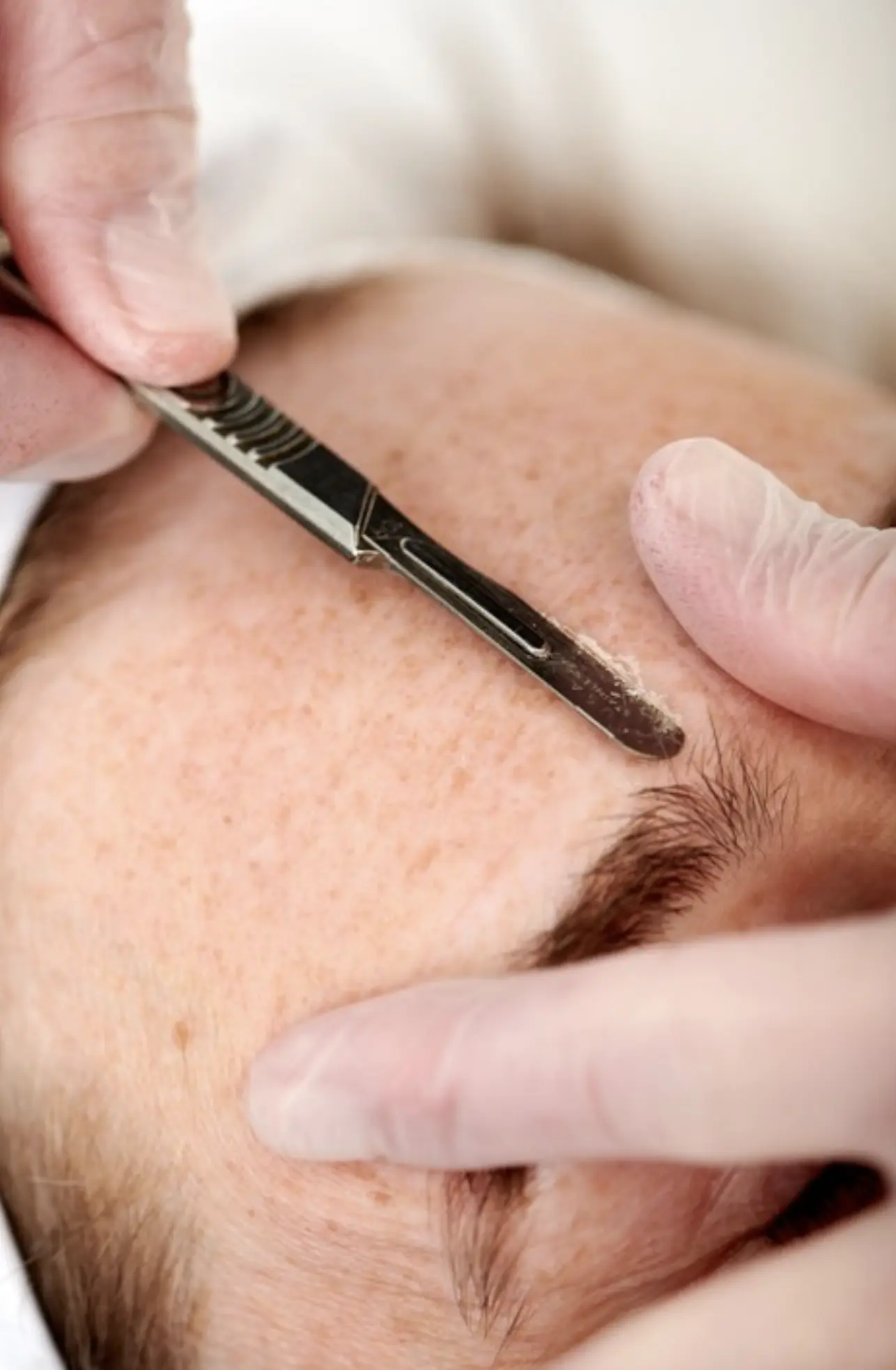
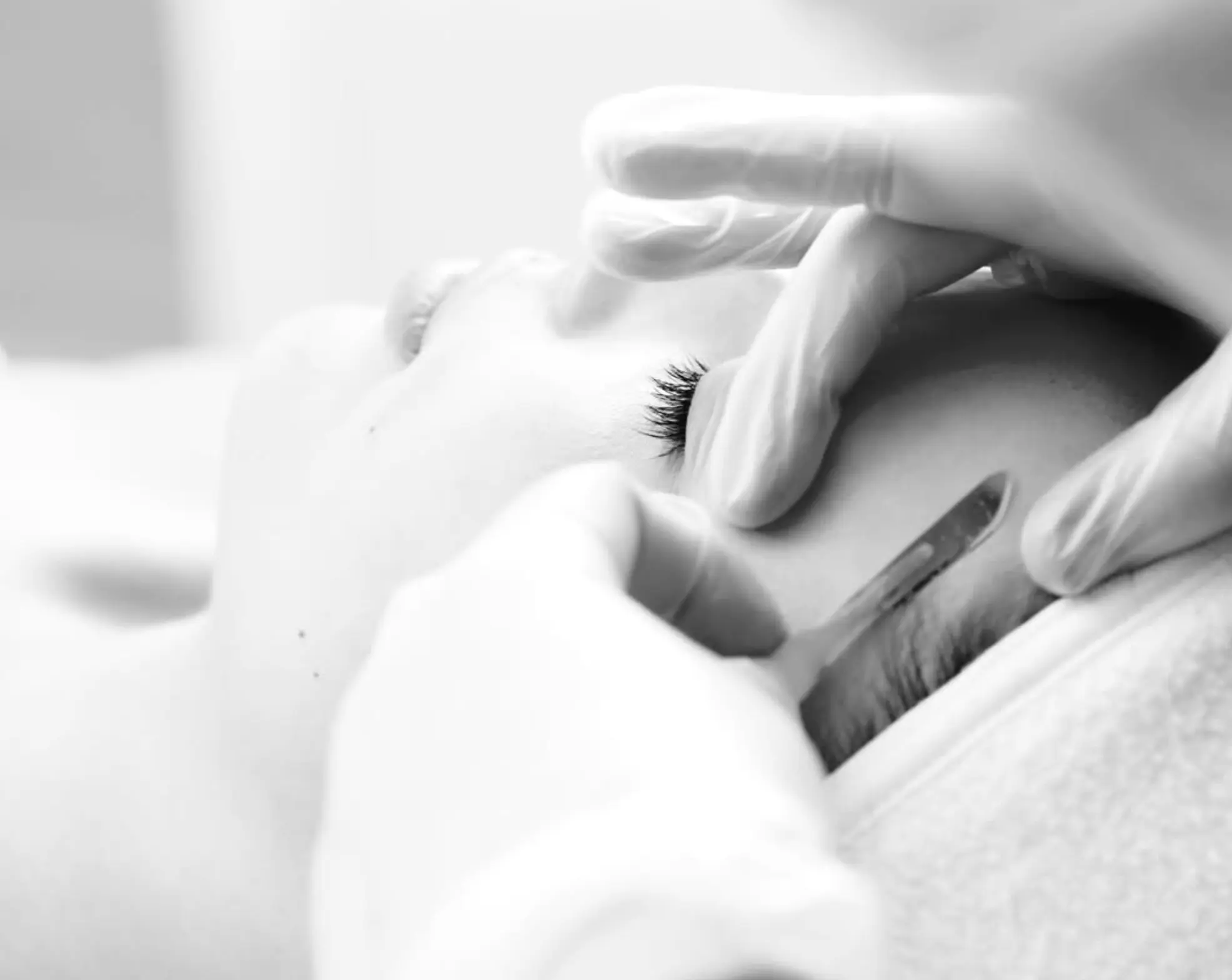
Professional dermaplaning is precise — done at a 45-degree angle, on taut skin, using a dermaplaning tool that’s sterile and safe. We follow your skin type and tension lines, not influencer tutorials.
At our Brisbane studio, all treatments are performed by certified professionals trained in dermaplaning and infection control protocols. That means:
- Every exfoliating blade is single-use and disposed of safely
- Every surface is sanitised between clients
- Every skin condition is reviewed before treatment
It’s not just about the glow. It’s about safety, hygiene, and results that age well.
2025’s skincare trends
According to 2025 beauty trend reports, minimalist skincare and “skin-first” makeup looks are leading the way. That means fewer layers, more real texture, and treatments that support the skin barrier.
Dermaplaning is right on trend.
- Non-invasive and safe
- No downtime
- Instantly improves skin texture
In Brisbane, we’re seeing more clients combine dermaplaning with LED therapy, enzyme masks and hydrating facials. It’s the supporting act that makes every other product and treatment work harder.
Final thoughts
If you’ve been wondering, does peach fuzz grow back thicker after dermaplaning? — Rest easy. The answer is a hard no. What you will get is smoother skin, better skincare absorption and a confidence-boosting glow.
Just make sure you’re doing it safely and professionally. A sharp blade in the wrong hands? Not worth it. But in the right ones? It’s pure skin magic.
FAQ
How often should I get dermaplaning done?
Every 4–6 weeks is ideal to stay in sync with your skin cells and hair growth cycle.
Can I do dermaplaning at home?
Technically yes, but home dermaplaning using an electric DIY dermaplaning trimmer or tinker razor can risk uneven results and skin irritation. It’s best left to professionals.
Is there any risk of cutting myself?
Not in the salon. We use sterilised dermaplaning tools and trained technique to ensure a safe cosmetic procedure.
Can I combine dermaplaning with other treatments?
Yes! It pairs beautifully with LED therapy, hydrating facials, and enzyme masks. Avoid pairing it immediately with alpha- or beta-hydroxy acid peels.
Will dermaplaning cause pigmentation?
Only if post-care isn’t followed. Always wear SPF 30 or higher and use gentle, dermatologist-tested products afterwards.