If you’ve typed “Is the eyebrow feathering course worth it?” into Google recently, chances are you’re about to book or wondering if you should even bother. We get it. There are dozens of training programs out there — from one-day courses to fully accredited certifications — and not all of them deliver what they promise.
We’ve been in the beauty industry for over 15 years, trained in Europe and Australia, and run a professional Cosmetic Tattoo Studio here in Brisbane. So trust us when we say: choosing the right training course can make or break your career in cosmetic tattooing. Here’s how to decide if an eyebrow feathering course is worth your time, energy and money.
Contents
- 1 The Rise (and Reality) of Eyebrow Feathering
- 2 What Should a Brow Course Include
- 3 What We Paid vs. What We Got
- 4 Learning in Brisbane
- 5 How Long Does It Take to Get Good
- 6 What Clients Are Looking For
- 7 Table: What You Should Get From a Top Brow Course
- 8 Stats to Know in 2025
- 9 Common Misconceptions About Brow Training
- 10 Final Thoughts
- 11 FAQ
The Rise (and Reality) of Eyebrow Feathering
Not all brow trends are created equal, but feathered brows are here to stay.
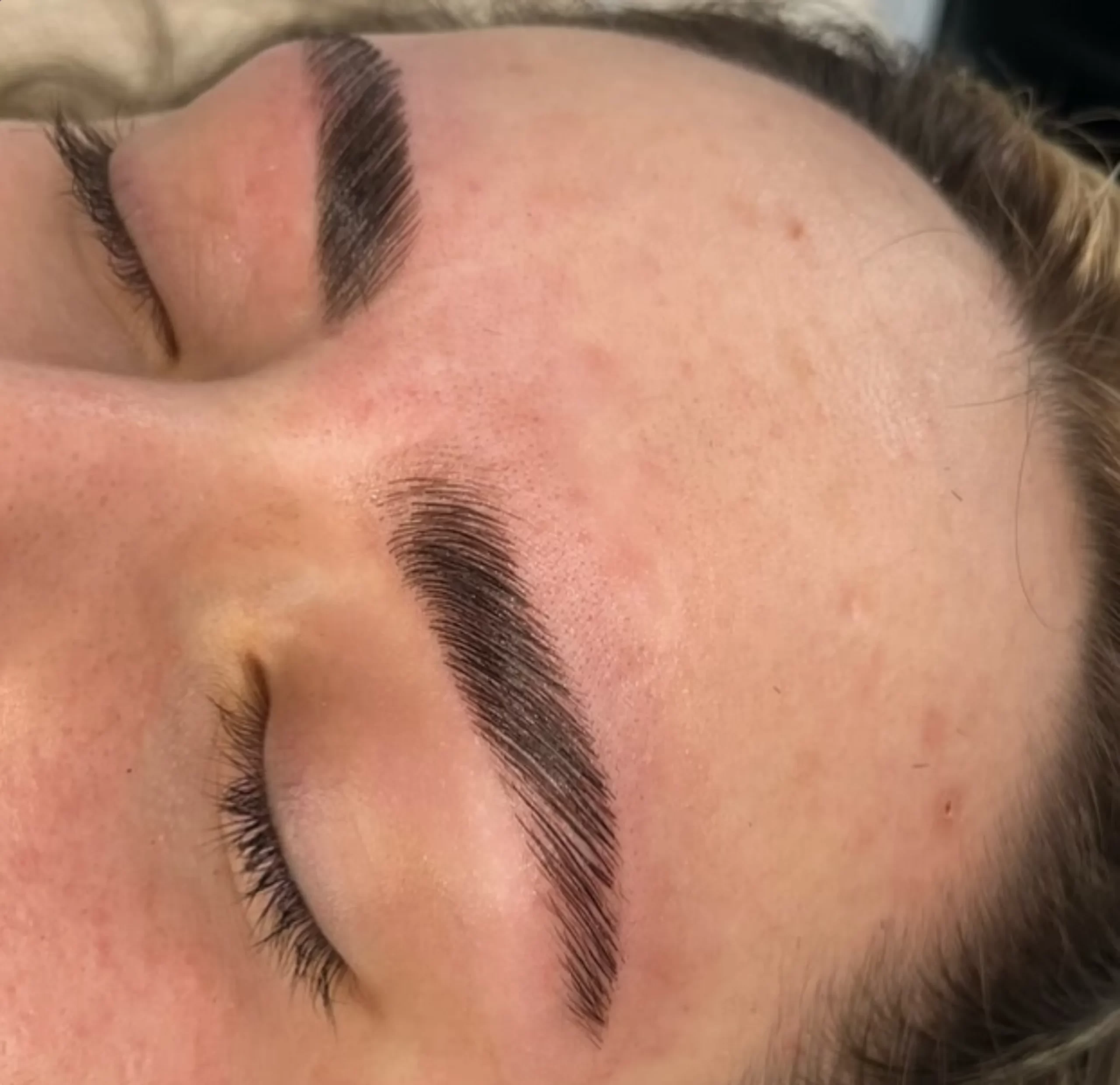
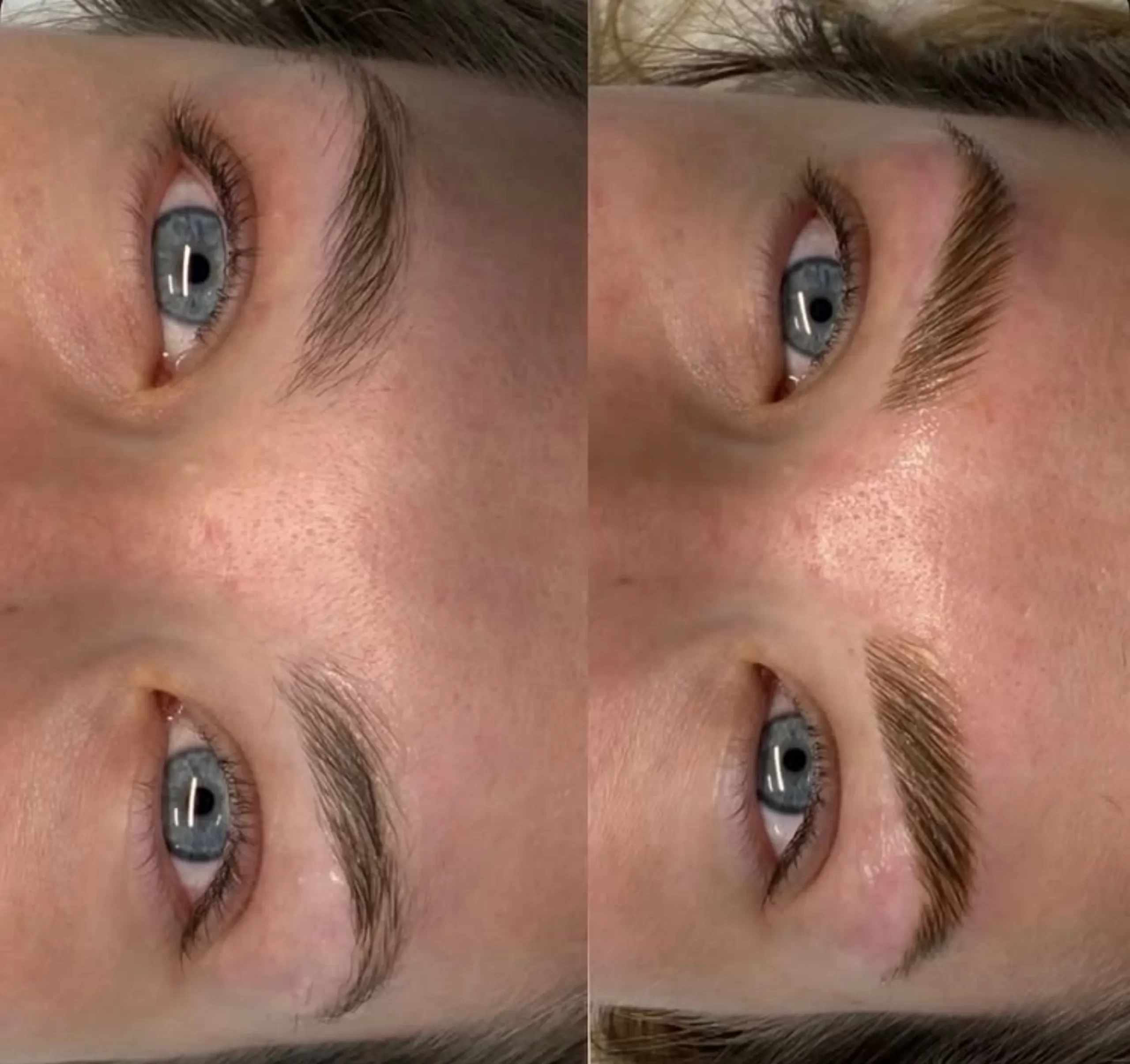
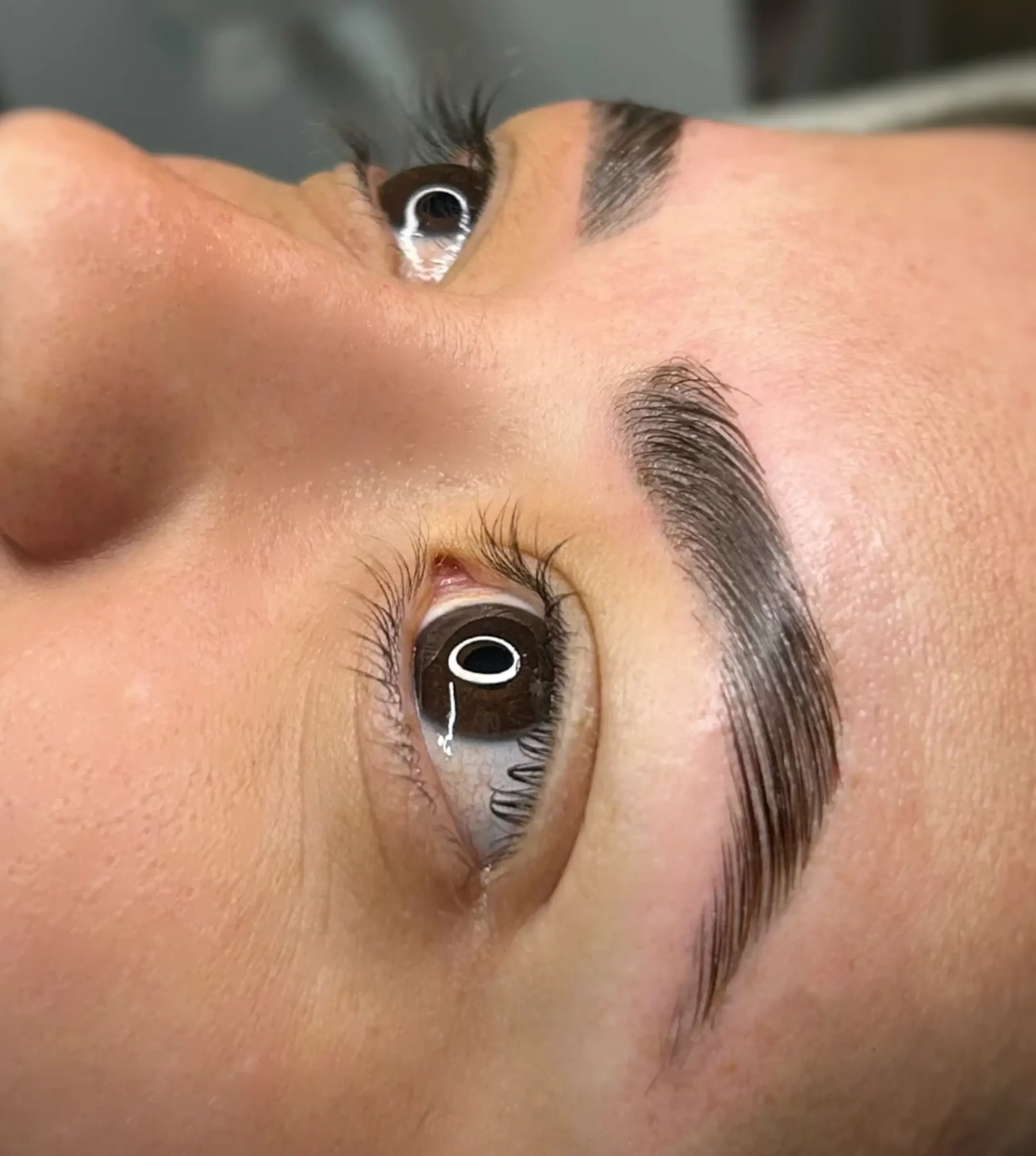
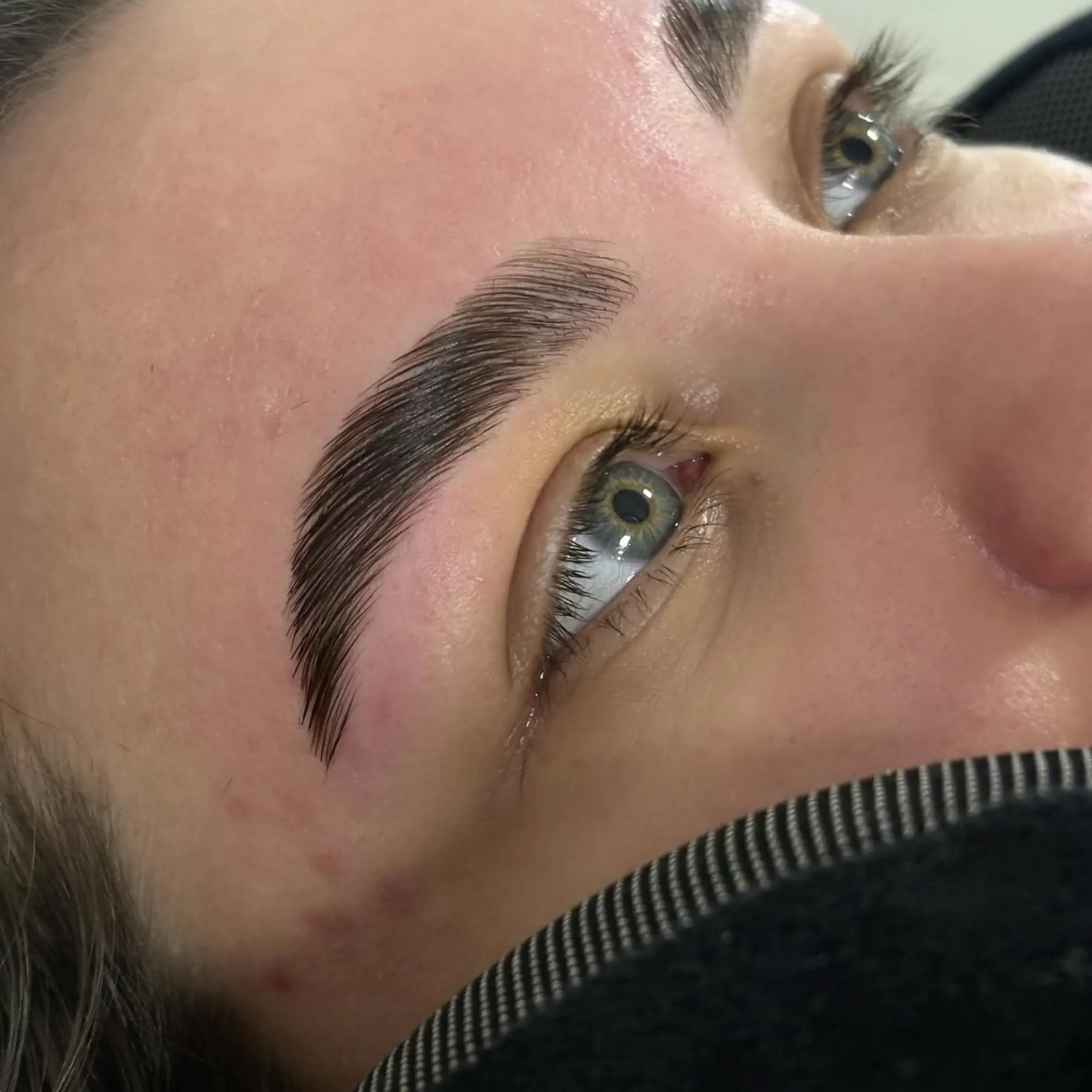
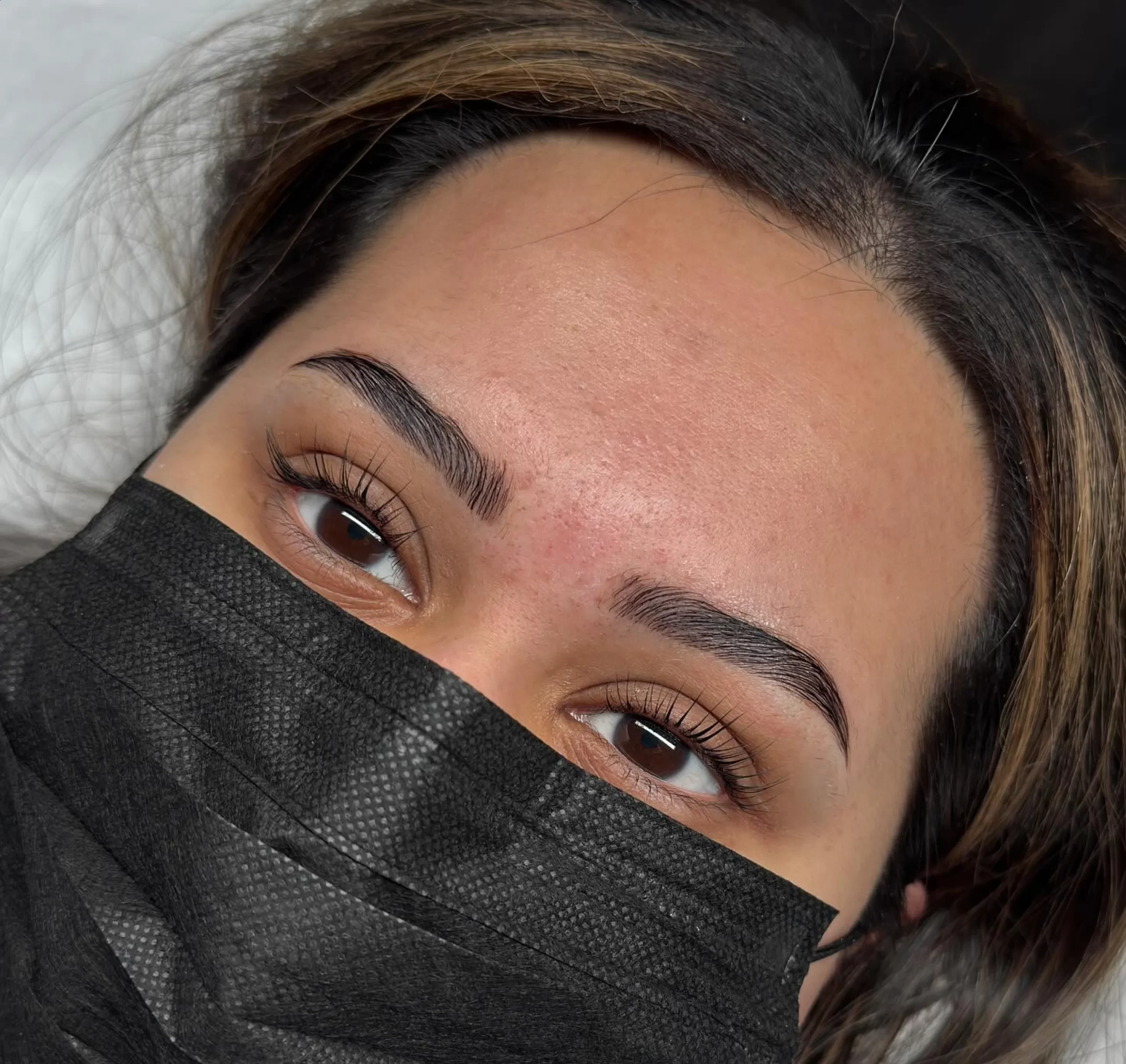
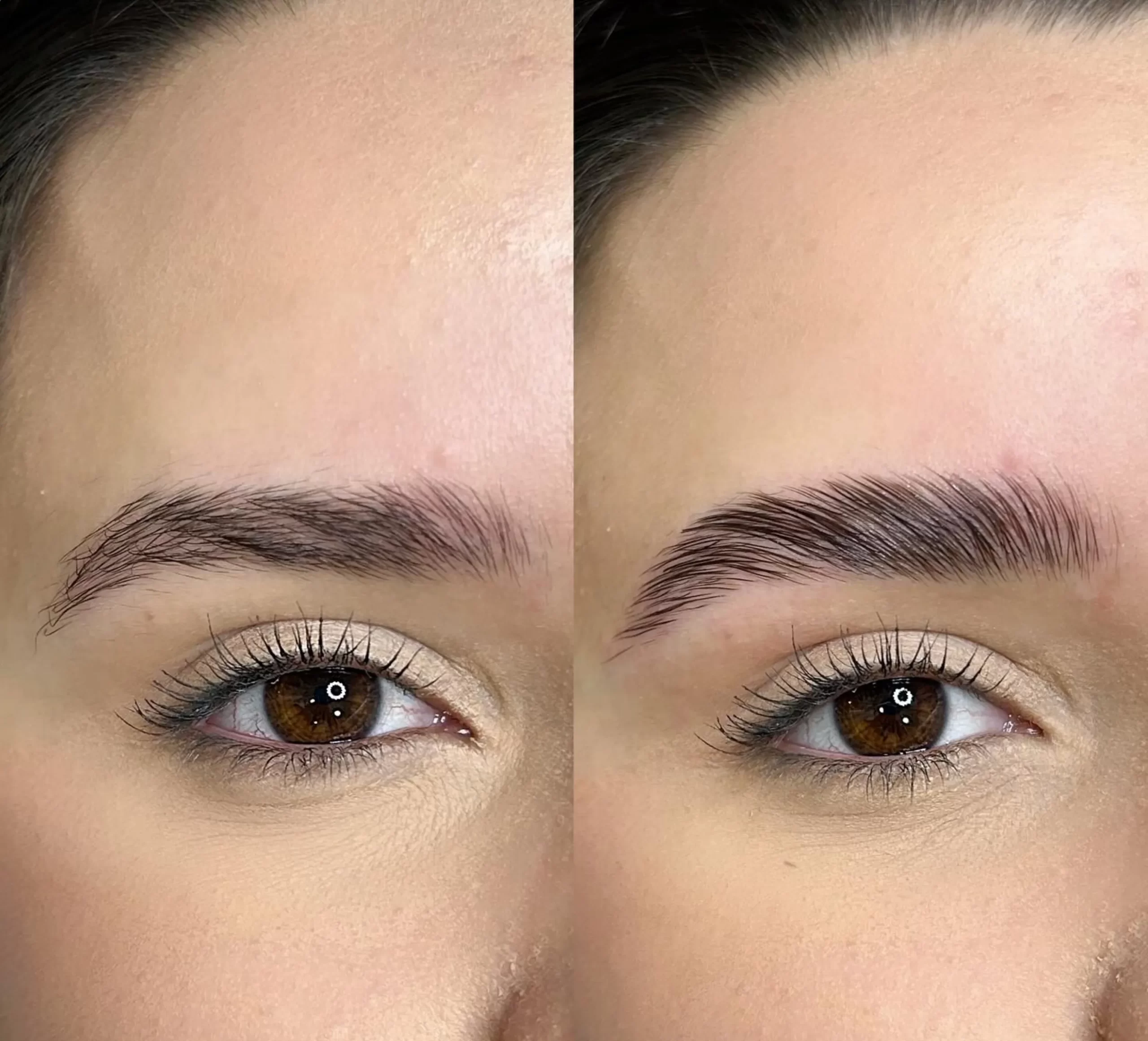
Eyebrow feathering uses fine hair-like strokes to mimic natural brow hairs, usually with a semi-permanent makeup technique. It’s in demand with clients who want a soft, natural look rather than a heavy, blocky brow. Some use manual pen methods; others use digital machine tools. Either way, the feather stroke technique relies on expert brow mapping, skin tone matching and pigment selection.
We’ve seen it firsthand in our Brisbane studio. Clients come to us needing corrections from botched feather tattoo eyebrows done by undertrained cosmetic tattoo artists. That’s why we take training programs and cosmetic tattooing education so seriously. A proper eyebrow feathering course helps prevent these kinds of outcomes by building real competence from the ground up.
What Should a Brow Course Include
Not all training programs are created equal. A legit brow course should go beyond surface-level skills and dive into the science behind brow tattooing and semi-permanent brow tattooing.
Here’s what to look for:
- Technical Skill & Brow Anatomy: Learn not just how to draw hair strokes but why they go in specific directions, including brow muscle structure, brow shaping, hair structure and facial symmetry.
- Skin Types & Healing Reactions: Understand how oily, dry, or mature skin reacts to pigment and the importance of sanitation and skin penetration safety.
- Colour Theory for Cosmetic Tattooing: Gain knowledge of undertones, iron oxide pigment bases, and long-term fading to choose pigments accurately.
- Infection Control & Hygiene: Master infection control, disposal of blades, needle selection and health and safety regulations.
- Client Consultations & Consent: Develop skills to confidently consult clients, assess allergic reactions and explain aftercare for multi-session treatments.
- Business Basics: Learn about social media, insurance, licensing, council compliance, student support and digital tools for growing your career.
What We Paid vs. What We Got
When we first trained in cosmetic tattooing, we paid upwards of $4000 for our initial brow course. That didn’t include extra training manuals, practice skins, cosmetic inks or advanced PMU makeup workshops.
But every dollar was worth it. We were able to:
- Take paying clients within months
- Build a strong portfolio of healed results using microblading and machine techniques
- Avoid common beginner mistakes like overworking skin or unsuitable pigments
- Get insured, registered, and council approved in Brisbane
Many artists choose a microblading course based on price and then retrain later, which is more expensive than picking the right course upfront.
Learning in Brisbane
Brisbane’s climate and clients are tough for cosmetic tattoo artists. Humidity affects pigment retention. Certain skin types — fair, freckled or sensitive — require special pigment and pressure control.
If you’re enrolling in an eyebrow tattooing course here, make sure it includes:
- QLD-specific licensing info for skin penetration treatments
- Infection control training aligned with local regulations
- Australian supplier connections like Cosmetic Ink Shop
- Mentoring or shadowing in active cosmetic tattoo studios
We have students tell us that a week of shadowing gave them more real-world learning than an entire online-only microblading course. For eyebrow feathering, there’s no substitute for seeing healed results up close.
How Long Does It Take to Get Good
You won’t become a master brow artist in one weekend. That’s the truth.
Expect to:
- Practice hair-like strokes and brow mapping tools on latex skins for 3-6 months
- Complete a practical assessment with 5-10 models
- Keep learning from healed results and client consulting feedback for at least a year
Look for eyebrow tattoo courses that offer ongoing student support, training manual refreshers, and the ability to shadow working artists or revisit core training modules. Especially if your goal is to offer high-end eyebrow feathering services, that extra practice is gold.
What Clients Are Looking For
Clients booking semi-permanent makeup want:
- Natural brows that enhance their skin tone
- No patchy fading or unnatural ink tones
- Artists who use safe pigments and follow proper sanitation requirements
They also care if their cosmetic tattoo artist explains risks, aftercare and long-term outcomes. And they’re savvy — most will check your social media portfolio before even reaching out. That’s why your feather brows tattoo skills need to be sharp from day one.
Table: What You Should Get From a Top Brow Course
| Feature | Must-Have in a Quality Course? |
|---|---|
| Brow mapping & tools | Yes |
| Skin type & skin anatomy theory | Yes |
| Colour Theory & Pigment Selection | Yes |
| Hands-on with live models | Yes |
| Infection control + sanitation | Absolutely |
| Practical assessment included | Ideally yes |
| Post-course student support | Highly recommended |
| Brisbane-based compliance info | Yes |
Stats to Know in 2025
The Australian cosmetic tattooing industry grew 12% year-on-year according to IBISWorld.
Over 60% of brow clients prefer the feather stroke technique and hair-like strokes over blocky styles.
Google Trends shows a 40% rise in searches for “eyebrow tattoo course Brisbane” since 2023.
Translation? There’s demand — but only if your eyebrow feathering results hold up to client scrutiny.
Common Misconceptions About Brow Training
Let’s bust a few myths we hear constantly:
- “It’s like makeup, I’ll pick it up easily.” — Nope. Eyebrow tattooing is a skin penetration procedure. It’s technical, regulated and skill-based.
- “I’ll learn microblading from YouTube first.” — Watching isn’t the same as doing. You need live critique, guided exercises and a certified cosmetic tattoo trainer.
- “I’ll start with cheap inks, upgrade later.” — Bad idea. Low-quality pigment can cause allergic reactions, poor retention or colour shifts over time.
Final Thoughts
If you want a long-term career in cosmetic tattooing, the right eyebrow tattooing training course is more than worth it — it’s essential.
Just make sure the program covers hair structure, skin tones, pigment theory, client consulting, and infection control. Look for real, healed results and support after you finish. Whether you choose to specialise in microblading techniques, machine-applied techniques, or PMU makeup more broadly, the right course sets the foundation.
Eyebrow feathering is not just a trend — it’s a technique that requires real training and attention to detail. A solid eyebrow feathering course can open doors, build confidence, and set you up for a successful beauty career.
Our Cosmetic Tattoo Studio Face Figurati in Brisbane is where we train, treat, and troubleshoot every type of brow scenario imaginable.
FAQ
How long is an eyebrow feathering course?
Most run 2–4 days in-person with up to 6 months of student support afterwards.
Do I need beauty qualifications first?
No, but a background in brow lamination, skin anatomy or beauty therapy helps.
Is microblading the same as feathering?
They’re closely related. Feathering usually refers to soft hair strokes; microblading can be more structured depending on the tools used (manual pen or digital machine). Both fall under the eyebrow feathering category in many salons.
What do I need to bring?
Most supply a full kit, but bring notebooks, a phone for before/after pics and a copy of your training manual for reference.
Can I start tattooing after just one course?
Technically, yes — if you comply with council registration, insurance and follow infection control and skin penetration legislation.