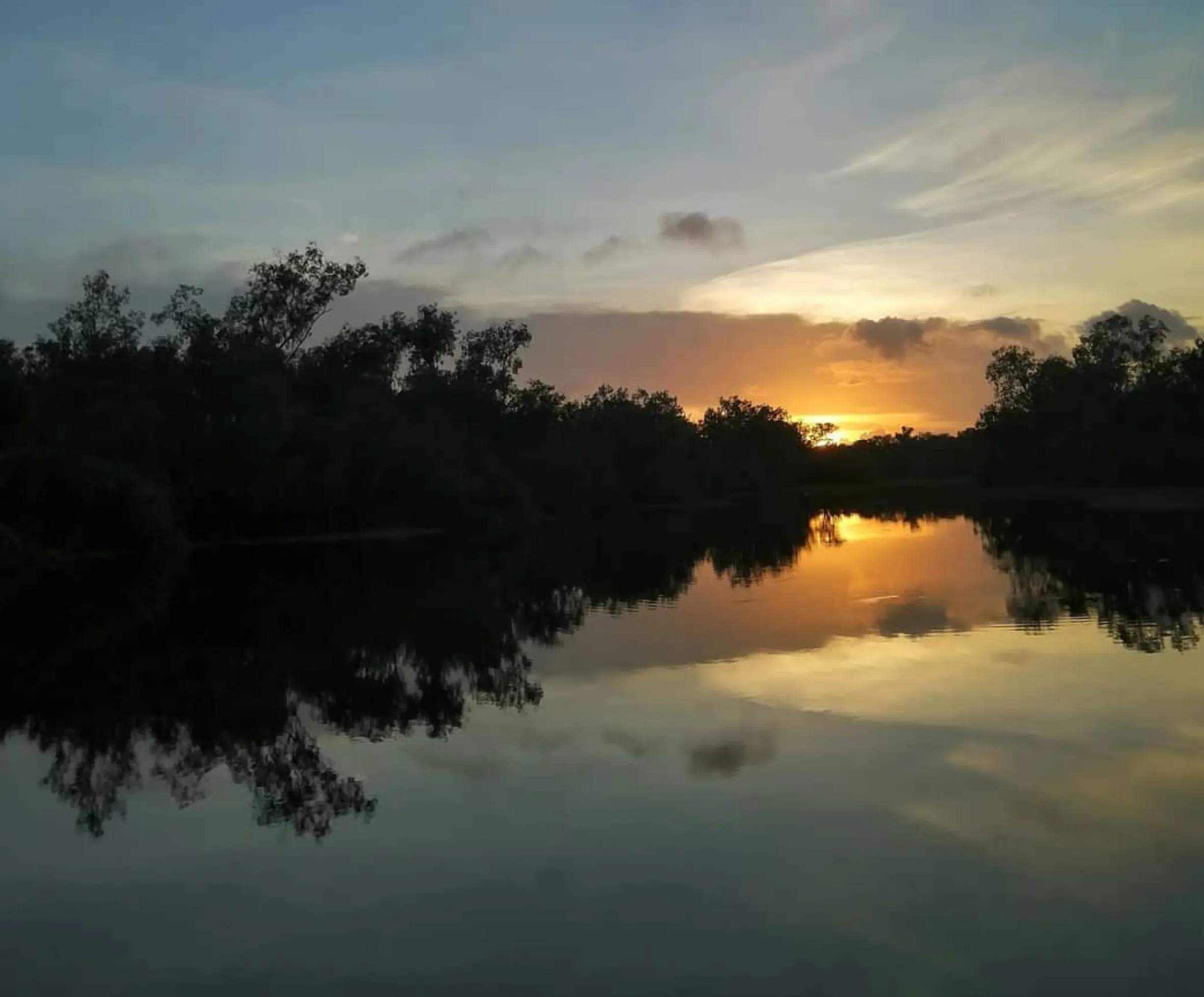
Kakadu National Park, a UNESCO World Heritage Site in the Northern Territory of Australia, is famous for its biodiversity and deep Aboriginal cultural heritage. But the park’s natural and cultural landscape is under threat from invasive species. These non-native plants and animals can destroy ecosystems, damage sacred sites and native flora and fauna.
Travellers learn about these environmental issues on Kakadu Day Tours from Darwin, where expert guides share information on local conservation efforts and Indigenous land management.
Contents
What are Invasive Species?

Invasive species are plants, animals or other organisms that are introduced – intentionally or accidentally – into an environment where they are not native. Once established, they can outcompete native species for resources, introduce new diseases, alter habitats and impact the local ecology and cultural values.
Many of these threats are documented in the Kakadu National Park Management Plan and supported by research from agencies like Environment Australia, the Australian Nature Conservation Agency, and the National Environmental Science Program Threatened Species Research Hub.
Guests on a Kakadu tour are often surprised by the scale of the issue and the innovative solutions being used to restore balance to the landscape.
Common Invasive Animal Species
1. Feral Buffalo (Bubalus bubalis)
Introduced for farming, feral buffalo now trample wetlands and pollute waterways like Yellow Water and the South Alligator River. They:
- Erode soil and compact ground
- Change hydrology and displace freshwater crocodiles
- Destroy breeding grounds for migratory birds
When you stay at Mercure Crocodile Hotel, you’ll often visit these damaged wetland areas and see park staff and rangers using aerial culling to reduce buffalo numbers.
2. Feral Pigs (Sus scrofa)
Feral pigs are a major threat to Kakadu’s frogs, birds and small mammals. They:
- Destroy native vegetation
- Eat aquatic animals and turtle eggs
- Causes habitat loss across floodplains and billabongs
3. Cane Toads (Rhinella marina)
This invasive amphibian is one of the park’s biggest threats:
- Secretes toxins deadly to goannas and freshwater crocodiles
- Competes with native frogs for food and shelter
- Linked to declining populations of endemic species
Research in Biological Conservation and Wildlife Research journals is tracking their spread.
4. Feral Cats (Felis catus)
Elusive and destructive, feral cats are responsible for the loss of small animals, including:
- Ground-nesting birds
- Small mammals and reptiles
- Threatened populations of endemic species
Studies by the Animal Conservation and Species Council show that cats are the leading cause of extinctions in Northern Australia.
5. Wild Dogs and Dingoes (Canis lupus dingo)
While dingos are native, hybrids and feral dogs are a challenge for park managers:
- They alter natural predation patterns
- Impact cultural significance and traditional hunting areas
- Require complex management under joint governance
Invasive Plant Species
1. Mimosa (Mimosa pigra)
Mimosa is one of Australia’s worst weeds:
- Chokes floodplains and displaces native vegetation
- Blocks access to waterways like Yellow Water Billabong
- Impedes the movement of wildlife and migratory birds
It’s a target of the Kakadu National Park Landscape Symposia Series.
2. Gamba Grass (Andropogon gayanus)
Introduced as fodder, Gamba Grass now fuels bushfires:
- Alter natural fire regimes
- Kills off native plants
- Spreads across Northern Australia’s savannas
3. Mission Grass (Cenchrus polystachios)
Mission Grass forms dense stands that:
- Crowd out native vegetation
- Increase fire intensity
- Threatens habitats in the Alligator Rivers and beyond
4. Olive Hymenachne (Hymenachne amplexicaulis)
A lesser-known but highly invasive aquatic grass:
- Outcompetes native floodplain species
- Impacts aquatic habitats for frogs, fish and reptiles
- Spreads through disturbed waterways and tidal flats
Environmental and Cultural Impacts
Invasive species don’t just degrade ecosystems— they also threaten cultural values attached to sacred sites, native species and Indigenous traditions. For example:
- Feral buffalo destroy cultural resources and rock art locations
- Mimosa blocks traditional fishing and hunting areas
- Invasive species compete with animals of cultural significance
The impacts of feral animals, alien plants and habitat loss go beyond biology— they touch the heart of Aboriginal identity. On a 5 day Kakadu tour, you’ll visit sacred sites and hear from Traditional Owners how these species have changed the spiritual and physical landscape of their ancestors’ country.
Management and Control Efforts
Efforts to combat these species include:
- Aerial culling of buffalo and pigs
- Herbicide programs for Mimosa and Gamba Grass
- Monitoring by the Department of the Environment and Water Resources
- Scientific research partnerships with Marine and Freshwater Research networks
Local communities, Traditional Owners and government agencies are also looking at alien species management planning and adaptive responses based on research from the Marine and Freshwater Arnhem Plateau.
On a 2 day Kakadu tour, you may even see researchers and rangers monitoring invasive species or conducting community education sessions to protect native species.
Planning a Visit
If you’re going to Kakadu:
- Book with eco-friendly operators offering Kakadu Day Tours from Darwin
- Stay at comfortable and central accommodation like the Mercure Crocodile Hotel
- Choose enriching experiences like 5 day Kakadu tours or shorter, action-packed 2 day Kakadu tours
Nearby places like Arnhem Land, Mary River Wetlands, and Corroboree Billabong offer insights into invasive species control and cultural preservation.
Conclusion
Kakadu’s fight against invasive species is ongoing. The partnership between Parks Australia, Traditional Owners, scientists and tour operators is key to protecting the park’s environment and cultural heritage. By being aware and taking action, visitors and conservationists can help protect one of Australia’s most precious landscapes for future generations.
Reputable companies like Wildlife Tours offer a range of packages that combine Kakadu with surrounding attractions like Litchfield National Park or the Adelaide River, where you can experience the wildlife of Northern Australia for yourself.
FAQ
Why are invasive species a problem in Kakadu National Park?
They threaten native species, damage cultural sites, alter habitats and introduce disease, impacting both ecology and tradition.
What animals are most affected by cane toads?
Predators like goannas, freshwater crocodiles and some frog species die after eating toxic cane toads.
Are plant invasions as bad as animal invasions in Kakadu?
Yes. Plants like Gamba Grass and Olive Hymenachne change the landscape, increase fire risk and push out native plants.
How are park managers controlling invasive species?
Through aerial culling, scientific research, herbicide treatment and working with Traditional Owners and environmental agencies.
Can tourists help protect Kakadu from invasive species?
Yes. Visitors can support eco-tours, avoid weed-infested areas, clean gear and respect biosecurity protocols.