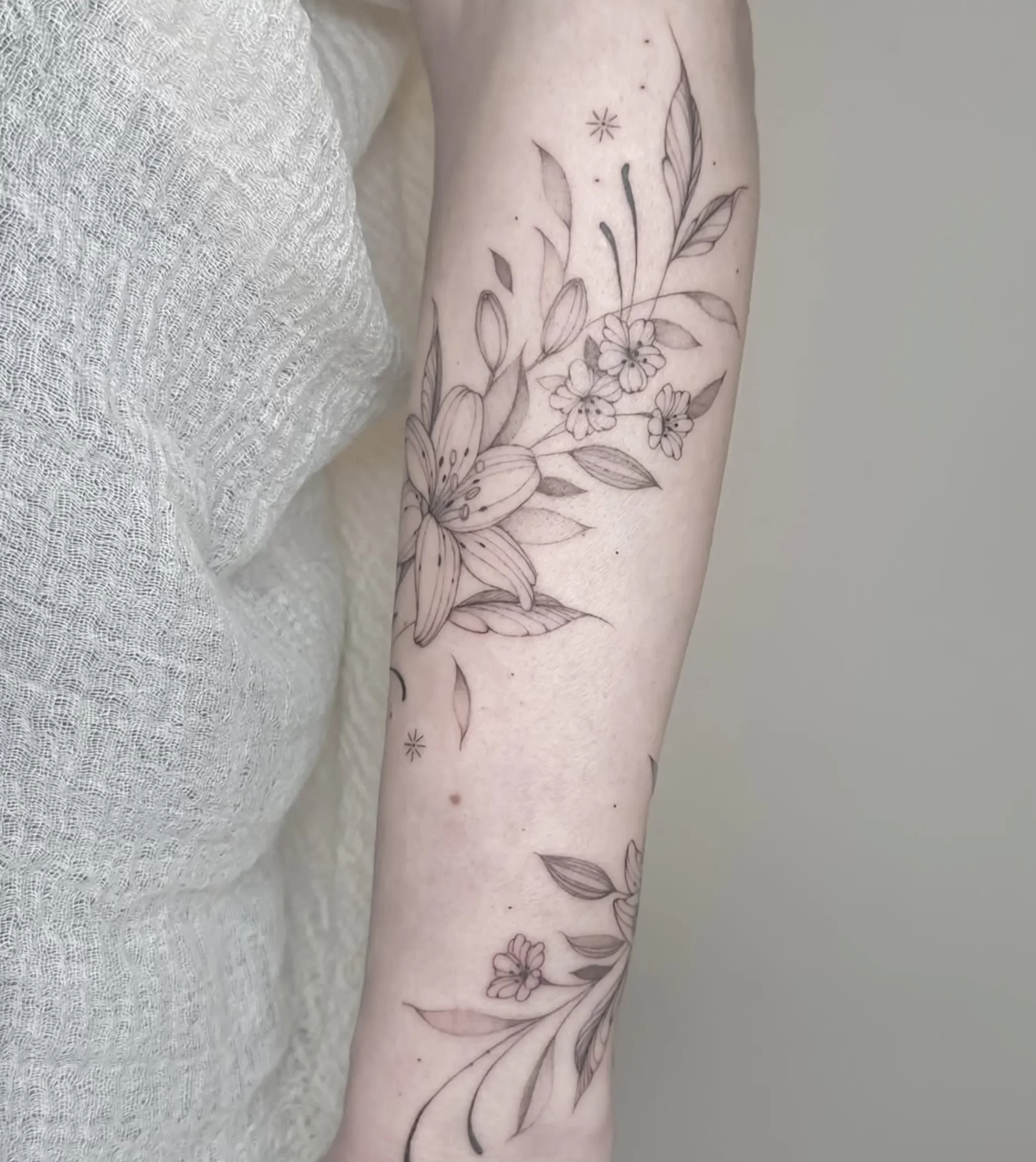
Let’s be real: when clients walk into Cosmetic Tattoo Studio Melbourne Face Figurati and ask about How Can You Keep Your Fine Line Tattoo from Fading?, it’s usually because they’ve seen the clean, minimalist style all over Instagram. A fine-line tattoo is delicate, timeless and looks amazing when fresh. But here’s the catch — without the right care, these tattoos can fade faster than you’d like. As a tattoo artist and tattoo specialist in Melbourne, I’ve seen both beautifully preserved fine line tattoos and ones that needed touch-ups far too soon. In this guide, I’ll break down exactly what makes a Fine Line Tattoo age gracefully, what factors speed up fading and how you can keep yours looking crisp for years.
Contents
- 1 Why Minimal Tattoos Fade Faster
- 2 The Role of Sun Exposure and UV Rays in Tattoo Longevity
- 3 Tattoo Placement: Why Location Matters
- 4 Skin Type, Immune System, and Healing Response
- 5 The Healing Process: Setting the Foundation for Longevity
- 6 Lifestyle Choices That Influence Tattoo Fading
- 7 How Professional Technique Impacts Longevity
- 8 Real Studio Story: The Touch-Up That Made All the Difference
- 9 Minimal Tattoos vs Bold Style
- 10 Table: Factors That Influence Tattoo Fading
- 11 Melbourne’s Seasonal Skin Challenges
- 12 Tattoo Price, Touch-Ups and Booking System
- 13 Statistics on Tattoo Longevity and Client Satisfaction
- 14 Long Term Care Tips
- 15 Final Thoughts: Keep Your Lines Fine for Years
- 16 FAQ
Why Minimal Tattoos Fade Faster
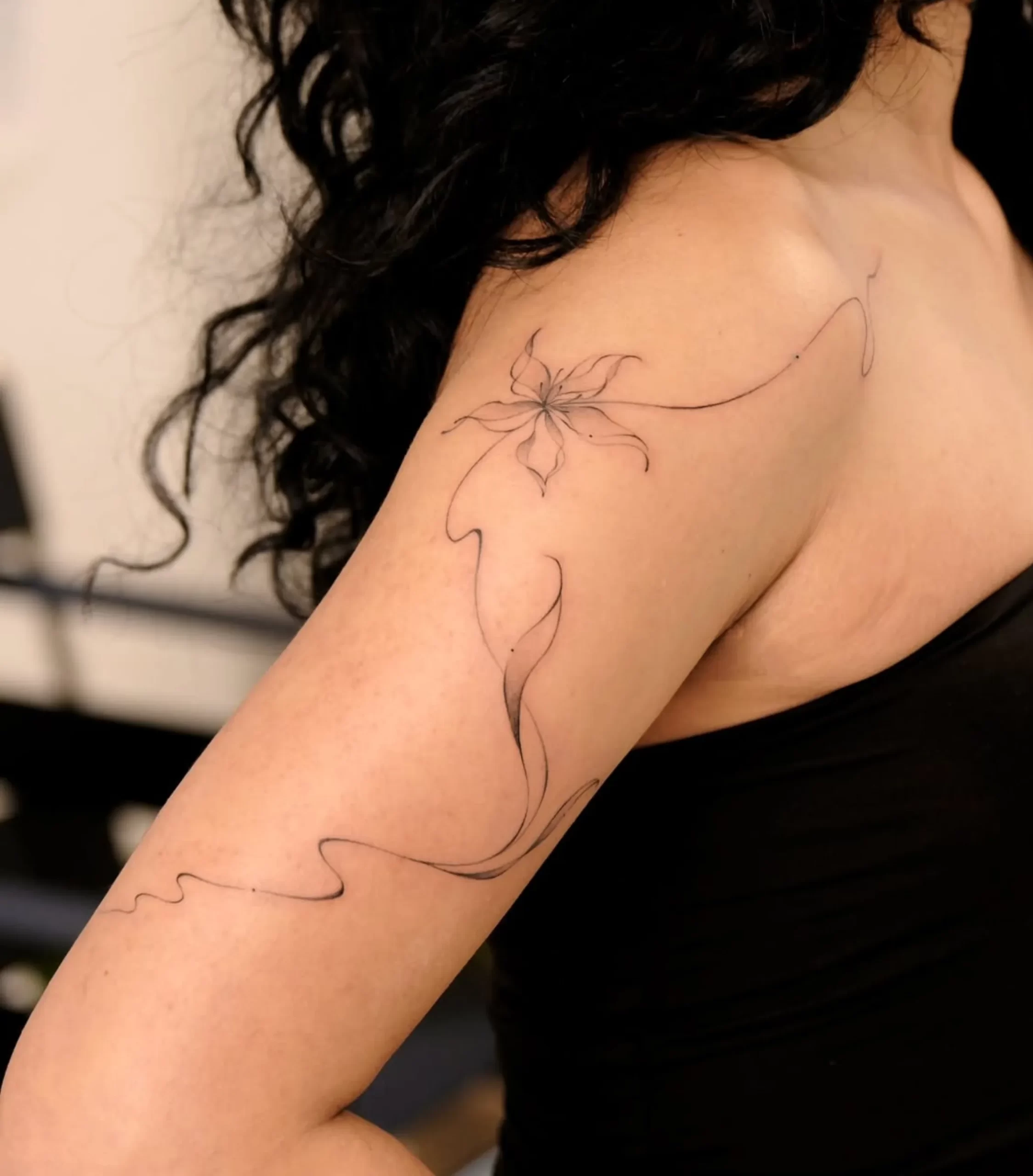
A fine line tattoo uses single needles, three-round liner needles or other ultra-fine configurations, which means the tattoo ink sits in a smaller, more delicate area of skin. Less pigment saturation equals a softer look, but it also means less ink on skin to fight against natural fading. Add in Melbourne’s sun exposure, seasonal changes and the fact that skin cell turnover never stops, and you’ve got a tattoo style that needs extra love. Understanding this is the first step to protecting your tattoo design and ensuring a healed tattoo that lasts.
The Role of Sun Exposure and UV Rays in Tattoo Longevity
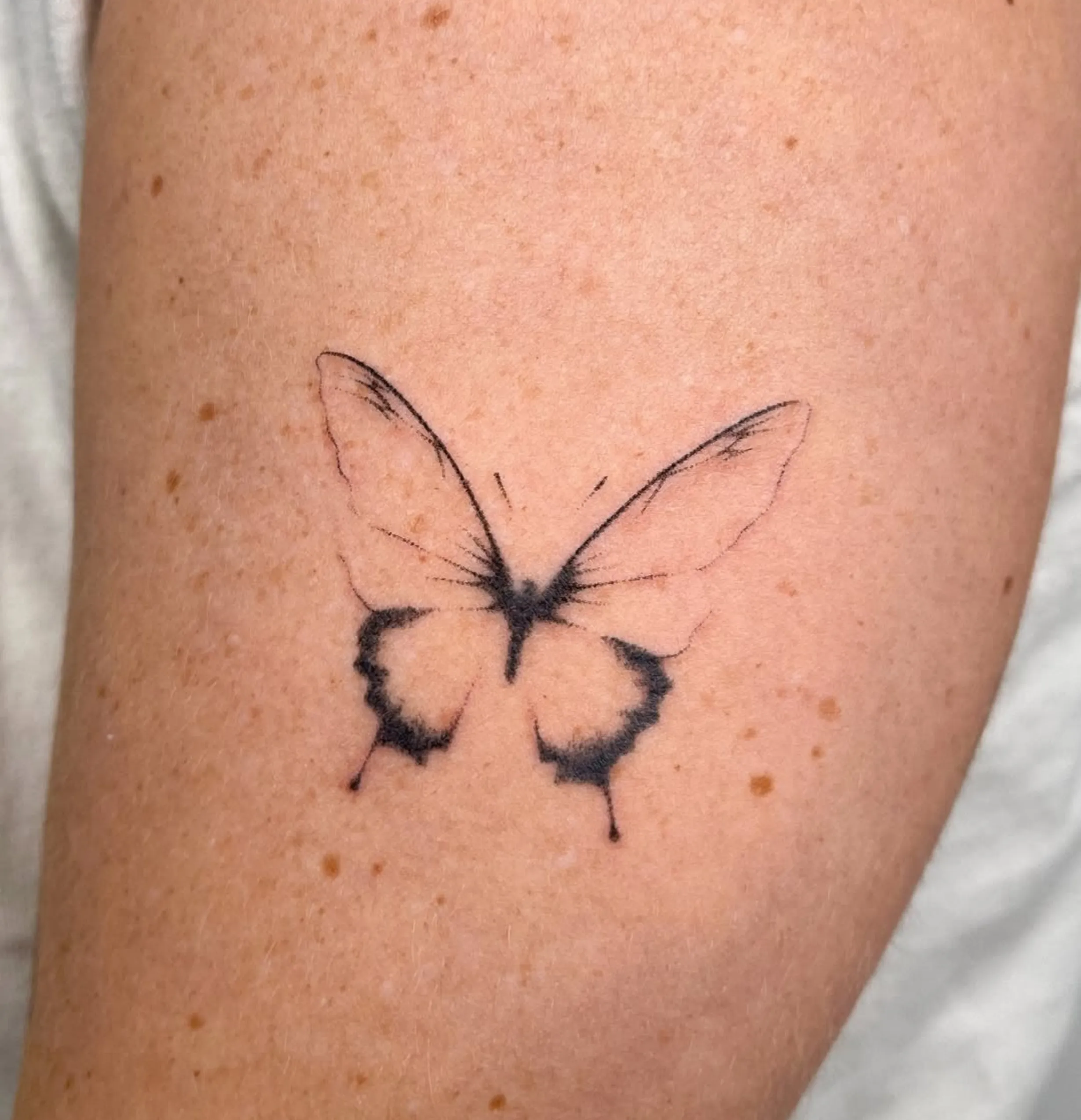
UV rays are the number one cause of tattoo fading — full stop. Sun exposure breaks down tattoo pigment over time, and fine line tattoos don’t have the density of bold black ink or heavy grey wash shading to hide the damage. In Melbourne, where summer UV levels are among the highest in the world, unprotected tattoos can fade noticeably within a couple of years. That’s why I always tell my clients: sunscreen isn’t optional, it’s non-negotiable.
Pro tip: Choose a broad-spectrum SPF 50+, reapply every few hours and don’t forget the spots we often miss — wrists, ankles and finger tattoos.
Tattoo Placement: Why Location Matters
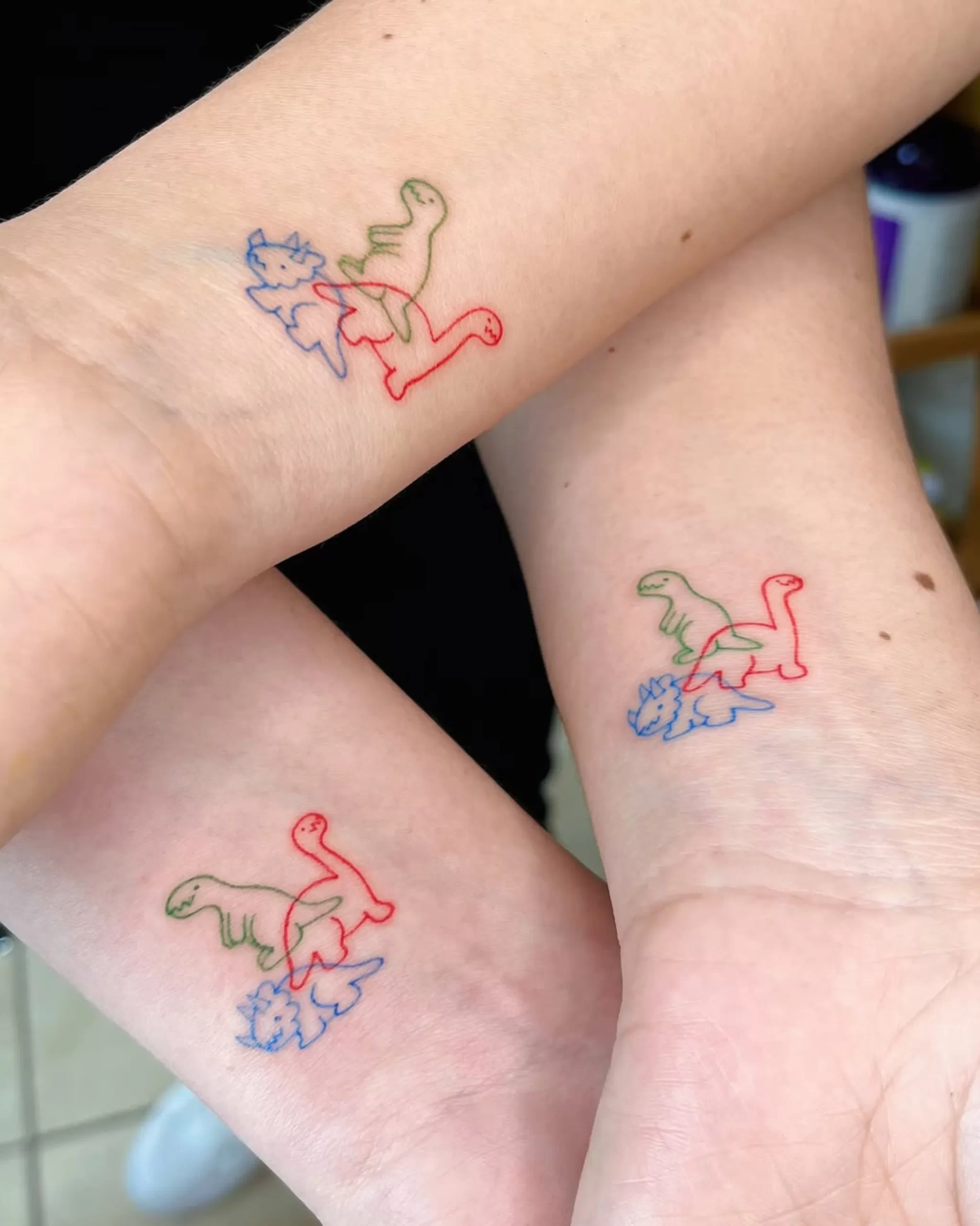
Not all skin is created equal when it comes to tattoo longevity. Areas that get a lot of friction — like finger tattoos, hands or feet — fade quicker because skin punctures in those spots heal faster and are constantly shedding. Normal finger tattoos blur more than fine line finger tattoos because of deeper lines and high friction. Tattoos on the upper arm, ribs or back last longer because they’re protected from constant wear. At Cosmetic Tattoo Studio Melbourne Face Figurati, I walk clients through placement decisions with honesty: sometimes the minimal tattoo design you want might need to be compromised if longevity is your priority.
Skin Type, Immune System, and Healing Response
Your skin type and immune system response play a huge role in how well your fine-line tattoo heals and lasts. Oily skin can push out tattoo ink more easily, and dry or sensitive skin may need a gentler aftercare routine. Skin cell turnover in younger clients often means faster fading, and mature clients sometimes retain pigment longer. The healing process is where the magic (or mistakes) happen. A tattoo specialist knows how to adapt to these differences — because no two tattoo experiences are the same.
The Healing Process: Setting the Foundation for Longevity
Healing is where your tattoo’s future is decided. If you scratch, pick or ignore aftercare, you’ll lose pigment before it even has a chance to settle. I give every client a tailored aftercare plan, but here are the basics:
- Keep the tattoo clean but not soaked.
- Apply a thin layer of aftercare balm.
- Avoid swimming, tanning or heavy sweating for at least two weeks.
- Don’t pick at scabs — let surface healing happen naturally.
Think of healing time as the foundation. If you don’t protect your tattoo during the healing process, you’ll be booking touch-ups sooner than you’d like.
Lifestyle Choices That Influence Tattoo Fading
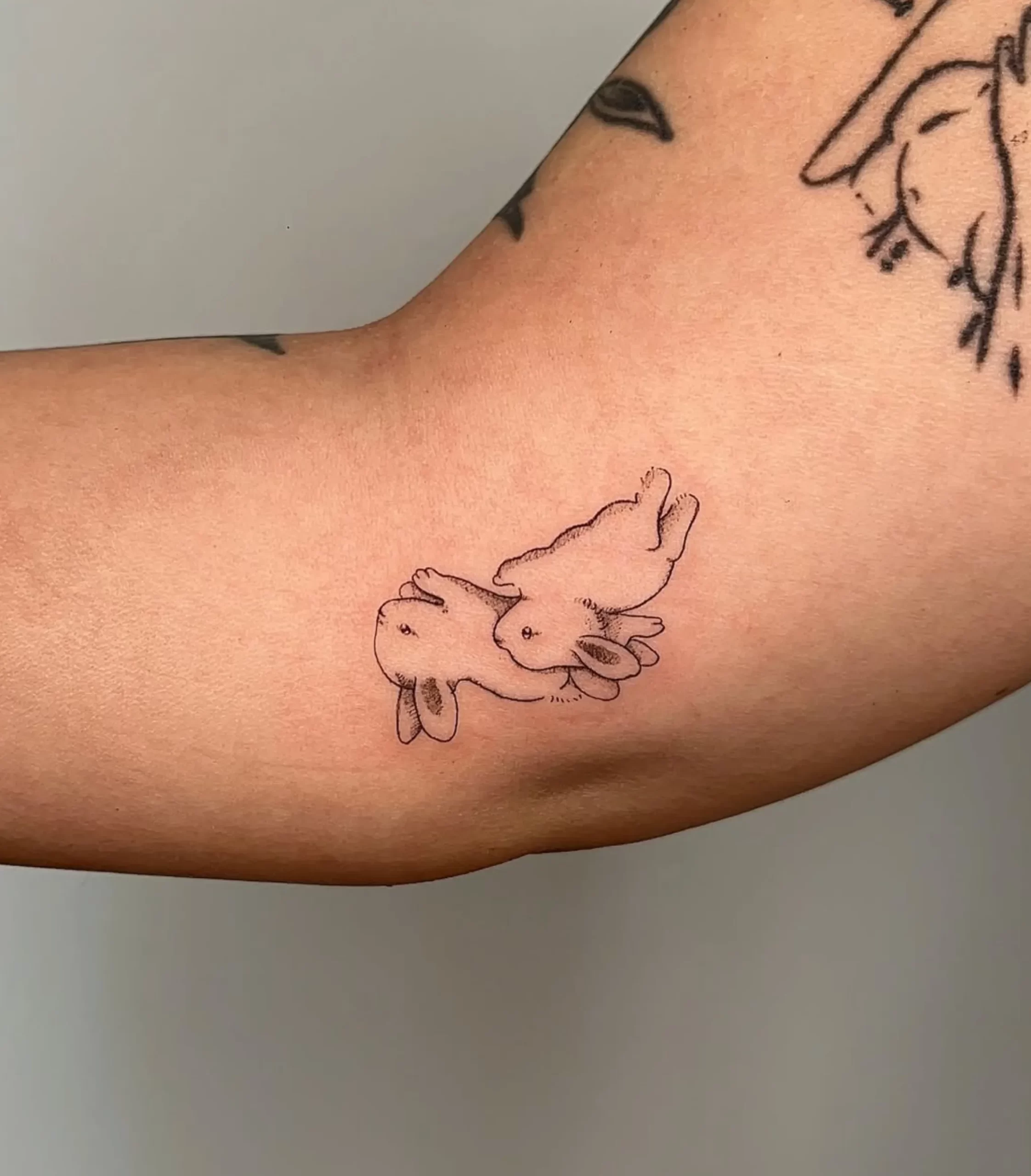
Beyond healing, your daily lifestyle habits matter more than you think. Frequent tanning, exfoliating treatments or even a love of hot yoga can impact a healed tattoo. In Melbourne, where outdoor lifestyles and beach trips are part of tattoo culture, I often remind clients that balance is key. You can still enjoy your life, but be mindful of how often your delicate tattoos are exposed to stress.
How Professional Technique Impacts Longevity
Not all tattoo studios or tattoo artists are the same. The artist’s skill, equipment and pigment choices all impact how long your tattoo lasts. At Cosmetic Tattoo Studio Melbourne Face Figurati, I use black ink, grey wash and high-quality colour inks depending on the tattoo design. Whether it’s grey ink for shading, bold black and grey or minimalist colour tattoo ink — technique matters. Using a precise single-needle technique for line work or micro tattoos requires knowledge and care. Poor technique can cause blowouts, uneven fading or premature blurring — problems I see too often from rushed work in less reputable studios.
Real Studio Story: The Touch-Up That Made All the Difference
One of my clients came in with a delicate wrist tattoo she’d gotten overseas. Within a year, it was nearly gone — faint lines, patchy pigment, the works. She thought it was “just how fine line tattoos heal.” Not true. We reworked it at Cosmetic Tattoo Studio Melbourne Face Figurati using grey wash and black ink with the right pigment depth, gave her strict aftercare, and two years later it still looks sharp. The difference? A skilled tattoo artist, proper pigment choice and disciplined aftercare.
Minimal Tattoos vs Bold Style
So are you thinking of getting a minimalist tattoo? Do you wonder if they are more fragile than traditional styles? Yes, they are. Bold black and grey shading or colourful geometric designs have more pigment, so they are more resistant to fading. Minimalist tattoos, botanical designs and geometric lines look amazing but require more maintenance.
Table: Factors That Influence Tattoo Fading
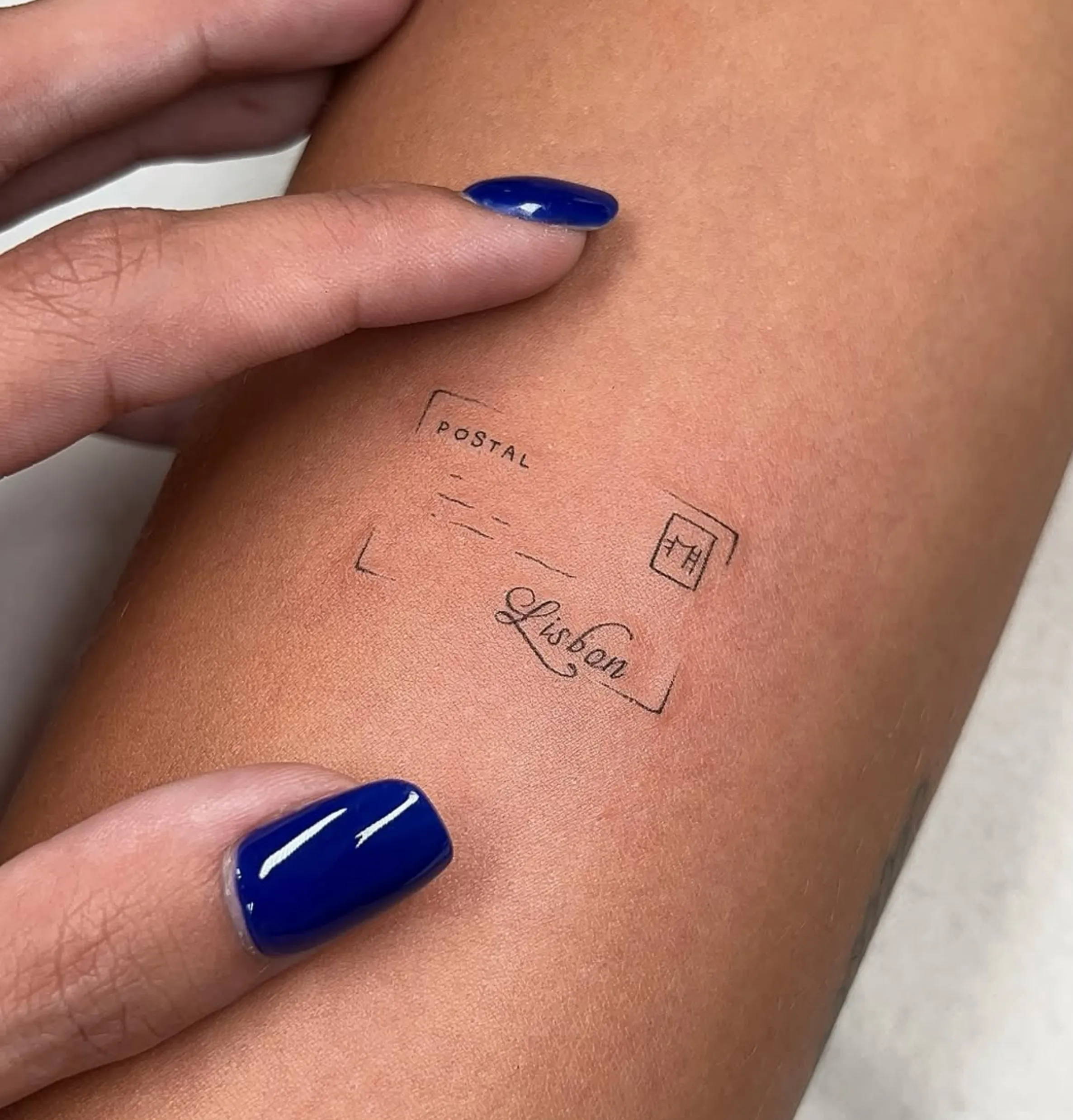
| Factor | Impact on Fine Line Tattoos | How to Prevent Early Fading |
| Sun exposure & UV rays | High impact | Daily SPF 50+, cover up |
| Placement | Hands & fingers fade fastest | Choose low-friction areas |
| Skin type | Oily skin fades faster | Adjust aftercare routine |
| Healing process | Critical | Follow healing instructions |
| Lifestyle | Outdoor activity = higher risk | Limit tanning, sweat, exfoliation |
| Artist’s technique | Make-or-break factor | Choose an experienced specialist |
Melbourne’s Seasonal Skin Challenges
Living in Melbourne means your skin goes through wild seasonal changes. In summer, UV rays are intense; in winter, dry air is brutal. Both extremes affect tattoo ink retention. Adjust your skincare routine throughout the year — more hydration in winter, more SPF in summer. Keeping your skin balanced keeps your line work, geometric shapes and fine line tattoos looking sharp.
Tattoo Price, Touch-Ups and Booking System
Let’s talk tattoo price, because tattoos are an investment. Fine line tattoos in Melbourne range from $150 for something tiny to $500+ for more detailed geometric designs. Touch-ups are almost always needed within the first 1-2 years. Many tattoo studios, including Cosmetic Tattoo Studio Melbourne Face Figurati, offer reduced pricing for touch-ups. I also make it easy for clients with an online booking system — because looking after your healed tattoo shouldn’t be a hassle.
Statistics on Tattoo Longevity and Client Satisfaction
According to a 2024 survey by the Australian Tattoo Guild, 62% of clients with fine-line tattoos reported noticeable fading within the first 3 years without proper aftercare. In contrast, 78% of those who used sunscreen daily and followed aftercare routines said their tattoos — from micro tattoos to geometric designs — looked sharp 5 years later.
Long Term Care Tips
- Daily SPF (yes, even in winter).
- Keep skin hydrated with fragrance-free moisturiser.
- Avoid harsh exfoliants directly over tattooed areas.
- Book touch-ups through the online booking system as needed.
- Protect tattoos during cosmetic treatments.
Final Thoughts: Keep Your Lines Fine for Years
A Fine Line Tattoo is beautiful, delicate and worth the extra care. They’re not the low-maintenance option some people think, but with the right aftercare and lifestyle adjustments, they can last for years. At Cosmetic Tattoo Studio Melbourne Face Figurati, I’ve seen firsthand how the tattoo world rewards clients who take aftercare seriously. If you’re thinking of getting a fine line tattoo course or want advice on how to maintain one, book in for a consult — I’m always happy to chat about keeping your ink sharp.
FAQ
How often do fine tattoos need to be touched up?
Most clients need a touch-up within 1-2 years, depending on placement, lifestyle and aftercare. Finger tattoos and high-friction areas fade the fastest.
Does sun exposure really affect tattoo longevity?
Yes. UV rays break down pigment quickly, and daily sunscreen is the best way to protect tattoo ink and line work.
Can I exfoliate over my healed tattoo?
Gentle exfoliation around but not directly on your tattoo is fine, but harsh scrubs or acids can strip away pigment and damage fine-line tattoos.
Do fine-line finger tattoos hurt more than other styles?
Pain is more to do with placement than style, but since the single needle technique feels sharper, fine line finger tattoos can sting more due to thin skin and multiple punctures.
Is it normal for a healed tattoo to look softer than fresh ink?
Yes. Fine line tattoos soften as the healing process finishes. This doesn’t mean your tattoo is ruined — it’s just part of skin healing and immune system response. A touch-up can restore clarity if needed.